Essential Tips for Buying Dry Dog Food in 2026
As pet owners prioritize the well-being of their dogs, understanding the nuances of selecting high-quality dry dog food has become crucial in 2026. With the pet food industry evolving rapidly, it is essential to stay informed about the latest trends and nutritional advancements. This article provides essential tips for making informed choices when purchasing dry dog food, ensuring your furry friend receives optimal nutrition.
Nutritional Requirements for Dogs
In 2026, the awareness surrounding canine nutrition has increased significantly. Pet owners are now more knowledgeable about the specific dietary needs of their dogs, which vary based on age, breed, and health status. For instance, puppies require a diet rich in protein and calories to support their growth, while senior dogs may benefit from lower calories and added joint support.
When evaluating dry dog food, it is essential to look for a formula that meets the specific nutritional requirements of your pet. The Association of American Feed Control Officials (AAFCO) provides guidelines for pet food labeling, ensuring the food is complete and balanced for different life stages.
Understanding Ingredients
The ingredient list on dog food packaging provides vital information about the quality of the food. In 2026, consumers are encouraged to prioritize whole, recognizable ingredients. Look for named meat sources, such as chicken or beef, listed as the first ingredient. Avoid foods that list generic meat by-products or fillers, as these may indicate lower quality.
- Named proteins such as chicken, beef, or lamb are preferable.
- Whole grains like brown rice or oats are beneficial carbohydrates.
- Fruits and vegetables like sweet potatoes or blueberries provide essential vitamins.
Moreover, be aware of artificial additives, preservatives, and colorings. In 2026, many brands are moving towards natural alternatives, which can be healthier for your dog.
Choosing the Right Brand
The pet food market is saturated with brands claiming to offer the best nutrition. In 2026, it is advisable to choose brands that adhere to high-quality manufacturing standards and have a history of transparency. Look for brands that provide detailed information about their sourcing and production processes.
People Also Look For:
- Pooch & Mutt - Health & Digestion, Complete Dry Dog Food (Grain Free), Salmon and Sweet Potato, 10kg
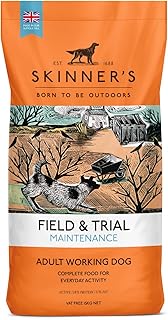
- Skinner’s Field & Trial Muesli Mix – Complete Dry Adult Dog Food, For Fussy Eaters, Mixed Kibble for Variety, 15kg
- Pooch & Mutt - Health & Digestion, Complete Dry Dog Food (Grain Free), Salmon and Sweet Potato, 10kg
- Wagg Active Goodness Complete Dry Adult Dog Food Beef & Veg 12kg - For All Active Working Dog Breeds
- HiLife FEED ME! - Complete Dry Dog Food - Tasty Beef Cheese Vegetables - Soft, Moist & Meaty, 6kg
Researching customer reviews and expert opinions can also guide your decision. Many pet owners share their experiences online, providing insights into the effectiveness of various dog food brands. For example, some brands may be praised for their palatability, while others might be recognized for promoting healthy skin and coat.
Consider Your Dog's Specific Needs
Every dog is unique, and their dietary needs can vary significantly. In 2026, consider any specific health concerns when choosing dry dog food. For instance, dogs with sensitive stomachs may benefit from grain-free or limited ingredient diets. Additionally, those prone to allergies may require special formulations designed to minimize allergic reactions.
Consulting with a veterinarian can provide personalized recommendations based on your dog's health history. This proactive approach ensures that your pet receives the most suitable nutrition tailored to their individual needs.
Understanding Feeding Guidelines
Feeding guidelines on dog food packaging can be a helpful starting point, but it is crucial to adjust portions based on your dog's activity level and metabolism. In 2026, pet owners are becoming more adept at recognizing when to modify feeding amounts. For example, an active dog may require more food than a sedentary one.
- Monitor your dog's weight regularly to ensure they maintain a healthy body condition.
- Adjust portion sizes based on weight gain or loss.
- Consider splitting meals into two or three servings throughout the day for better digestion.
Additionally, consider the caloric density of the food. Some premium brands may offer fewer calories per cup, meaning you can feed your dog less while still providing adequate nutrition.
Storage and Freshness
Proper storage of dry dog food is essential to maintain its quality and freshness. In 2026, many pet owners are adopting best practices for food storage. Always keep dry dog food in a cool, dry place, ideally in an airtight container. This practice helps prevent moisture and pests from compromising the food.
It is also advisable to check the expiration date before purchasing and to use food within a reasonable time frame after opening. The freshness of the food can significantly impact its nutritional value and palatability.
Monitoring Your Dog's Health
Once you have selected a dry dog food, it is important to monitor your dog's health and behavior. In 2026, many pet owners are more observant of how their pets respond to their diet. Look for signs of improved energy levels, coat condition, and overall well-being.
If you notice any adverse reactions, such as digestive upset or skin irritations, reevaluate the food and consult your veterinarian. Adjusting your dog's diet may be necessary to ensure they thrive and stay healthy.
Conclusion on the Importance of Research
As the pet food landscape evolves in 2026, continuous research and education about dry dog food remain paramount. By staying informed, pet owners can make better choices and provide their dogs with the best nutrition possible. This commitment to quality and health fosters a happier and healthier life for your beloved canine companion.
As we explore the various aspects of dog food selection, it is clear that informed decisions can lead to better outcomes for pets and their owners. The journey towards finding the right dry dog food is an ongoing process, adapting to changing needs and advancements in the pet food industry.